



International Air Freight Customs Clearance Process
When shipping goods internationally by air, customs clearance is an essential step that cannot be ignored. Even if your cargo arrives at the airport on time, it cannot be released for delivery until the required customs procedures have been completed.
For many importers, customs clearance can seem complicated. Who is responsible for export customs declaration? What does the importer need to prepare? Does a freight forwarder handle everything?
Understanding the international air freight customs clearance process can help you avoid unnecessary delays, additional costs, and misunderstandings between different parties.
In this guide, we explain how air freight customs clearance works, what documents are required, and what responsibilities shippers, consignees, and freight forwarders have at each stage.
1. How Does International Air Freight Customs Clearance Work?
International air freight customs clearance is divided into export declaration and import clearance, which are handled by the customs authorities of the port of origin and destination respectively.
Both stages are important. Export customs declaration ensures that goods can legally leave the origin country, while import customs clearance allows them to enter the destination country.
A typical international air freight shipment follows this process:
1). The shipper prepares the cargo and export documents.
2). The customs broker submits the export declaration.
3). Export customs reviews the declaration and may arrange an inspection.
4). Once approved, the cargo is released for security screening and airport handling.
5). The goods are loaded onto the aircraft and transported to the destination.
6). The consignee receives an arrival notice.
7). The consignee or its customs broker submits the import declaration and supporting documents.
8). Import customs reviews the documents, assesses applicable duties and taxes, and may inspect the cargo.
9). After customs release, the goods can be collected or delivered to the consignee.

Although a freight forwarder can coordinate many of these steps, the shipper and consignee still have their own responsibilities.
2. Export Customs Declaration: What Does the Shipper Need to Do?
The shipper needs to provide accurate and complete customs declaration documents, confirm commodity code classification, cooperate with customs valuation and inspection requirements, and pay any applicable fees promptly.
Step 1: Prepare Required Export Documents
Before shipment, the shipper needs to prepare the necessary documents, which typically include:
- Commercial Invoice: Showing product description, quantity, unit price, and total value.
- Packing List: Providing detailed information on packaging, weight, dimensions, and quantity.
- Export Declaration Information: Used by the customs broker for submitting export declarations.
- Other Supporting Documents: Depending on the product, additional certificates, licenses, or permits may be required.
Specific requirements depend on the type of goods and the regulations of the exporting country.
Step 2: Confirm the Correct HS Code and Product Classification
A common cause of customs issues is incorrect product classification.
Customs authorities use HS codes to identify and classify goods. Even products that look similar can have different classifications due to different materials, functions, and uses. HS codes affect export controls, customs requirements, and applicable tax treatment.
Therefore, shippers should provide detailed product information, including: product name and description, main materials and ingredients, intended use and function, model or specifications.
Customs brokers or professional customs brokers can help confirm the correct classification. Not recommend choose a similar HS code based solely on experience. Incorrect classification can lead to customs delays, additional costs, or compliance issues.
Step 3: Submit the Export Declaration
Once the documents and product information are ready, the customs broker or authorized declaration agent submits the export declaration to customs.
Customs will review the submitted information and assess whether further examination is necessary.
If customs requests an inspection, the shipper must cooperate and provide additional information when required.
Step 4: Customs Inspection and Release
Not every shipment requires a physical inspection.
However, if customs selects the cargo for examination, the relevant parties must arrange access to the goods and cooperate with the inspection.
Once the declaration is approved and any required inspection is completed, customs releases the cargo.
The shipment can then proceed to airport security screening, cargo handling, and palletizing before being loaded onto the aircraft.


Or send an email: marketing01@senghorlogistics.com
3. Import Customs Clearance: What Does the Consignee Need to Do?
Step 1: Receive the Arrival Notice
After the goods arrive at the port, the airline or freight forwarder issues an arrival notice.
The notice provides shipment details and informs the consignee that the cargo is ready for the next stage of handling.
The consignee should contact its customs broker or freight forwarder promptly to avoid unnecessary delays.
Step 2: Preparing Import Customs Documents
The consignee or their agent exchanges the bill of lading for the waybill, declares to customs, and submits invoices, packing lists, waybills, contracts, certificates of origin, and necessary licenses.
Importers may also need to provide their local business registration information, importer identification number, tax identification number, and customs authorization documents.
These requirements vary depending on the destination country and the type of imported goods.
Step 3: Submit the Import Declaration
After receiving the necessary documents, the consignee or its appointed customs broker submits the import declaration.
Customs authorities will review the declared product information, quantity, value, and other relevant details.
They may also assess the customs value and determine the applicable import duties and taxes.
If additional information is needed, the importer must provide the requested documents or explanations.
Step 4: Pay Import Duties and Taxes
Depending on the destination country's regulations and the agreed shipping terms, import duties, VAT, GST, and other applicable charges may need to be paid before customs release.
The importer should understand which charges are included in the freight quotation and which charges are payable separately.
For example, under a standard DAP arrangement, the buyer generally handles import customs clearance and pays applicable import duties and taxes. Under DDP, the seller takes responsibility for import clearance and the applicable duties and taxes, subject to the agreed terms and local regulations.
Further reading:
Step 5: Customs Inspection and Cargo Release
Customs may select the shipment for physical inspection or request additional supporting documents.
If everything meets the relevant requirements, customs will release the goods.
The consignee or its appointed agent can then arrange airport cargo collection, local transportation, and final delivery.
4. Who Is Responsible for Customs Clearance: Shipper, Consignee, or Freight Forwarder?
The answer is that customs clearance involves several parties, and each has a different role.
|
Party |
Main Responsibilities |
|
Shipper / Exporter |
Provides accurate product information and export documents, confirms product classification, and cooperates with export customs. |
|
Consignee / Importer |
Provides import documents, importer details and authorizations, pays applicable import charges according to the agreed terms, and cooperates with import customs. |
|
Freight Forwarder |
Coordinates the shipment, communicates between parties, arranges transportation, and helps organize customs clearance services. |
|
Customs Broker / Declaration Agent |
Submits customs declarations, handles customs procedures, and assists with inspections and document requirements within its authorization. |
|
Customs Authorities |
Review declarations, assess duties and taxes, conduct inspections when necessary, and decide whether to release the goods. |
A freight forwarder can make the entire process easier by coordinating transportation and customs-related services. However, this does not automatically mean that the freight forwarder takes over every legal responsibility of the importer or exporter.
The actual responsibilities depend on the service agreement, customs authorization, local regulations, and agreed Incoterms.
5. Can a Freight Forwarder Handle Both Export and Import Customs Clearance?
Yes. Many international freight forwarders offer customs clearance services at both the origin and destination.
For example, when shipping goods from China to the USA, a freight forwarder can coordinate export customs clearance in China and work with a destination customs broker to arrange import customs clearance in the United States.
This can save importers time and reduce communication problems between different service providers.
Some freight forwarders also offer DDP shipping services, under which the seller arranges transportation and import clearance, including applicable duties and taxes, according to the agreed terms.
6. How to Make International Air Freight Customs Clearance Smoother
Smooth customs clearance relies on consistent information from both ends.
The name, model, quantity, and amount of goods declared by the shipper must completely match the information declared by the consignee to the customs of the destination country. Any discrepancy may trigger an inspection.
Suggestions:
1). Prepare all documents before shipment. Don't wait until the goods arrive to collect the necessary information.
2). Ensure consistency of all shipping information. Product descriptions, quantities, models, and declared values should be consistent across all relevant documents and declarations.
3). Confirm HS codes in advance. Ensure product classification is based on actual product characteristics.
4). Clarify responsibilities before shipment. Both the shipper and consignee should understand who is responsible for import/export customs clearance, payments, etc.
5). Partner with experienced freight forwarders. Professional logistics partners can coordinate processes at the origin and destination, identify potential documentation issues, and facilitate efficient communication for all parties.
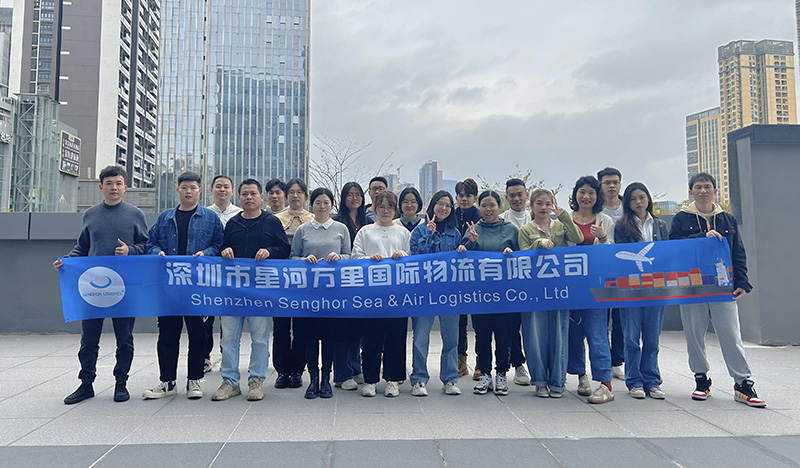
Senghor Logistics provides air freight services from China. Over 10 years of experience can help you verify document accuracy, communicate clearly with multiple parties, and coordinate an orderly customs clearance process and back-end delivery logistics.
Whether you are shipping goods from China by air for the first time or regularly importing goods from Chinese suppliers, our team can assist you in coordinating air freight services. Please contact us for more information.
Post time: Nov-20-2026


