


Understanding the Surge of U.S. 5H Inspections: A Practical Guide for Importers
In 2026, many importers shipping goods from China to the United States faced an unexpected challenge: a sharp increase in "5H inspections." Containers were detained, delayed, and even returned, severely disrupting the supply chain.
As a professional freight forwarding company, Senghor Logistics will explain what 5H inspections are, the reasons for their increase, the highest risk scenarios, and—most importantly—how to reduce the likelihood of 5H inspections.
What Exactly is 5H Inspection?
5H Inspection, formally known as "Entry Processing HOLD," is a specialized customs verification process implemented by CBP. Unlike traditional random inspection, 5H is a systematic document review targeting specific risk indicators in import declarations. When a shipment is flagged with "5H" status, it triggers an immediate freeze on the cargo, preventing any movement, transfer, or adjustment of the shipment.
The process follows a "document-first, physical-inspection-second" approach:
Initial document review: CBP examines commercial invoices, packing lists, bills of lading, and other supporting documents.
Verification of consistency: Cross-checking product descriptions, values, HS codes, and importer information.
Risk assessment: Identifying discrepancies that may indicate underreporting, misclassification, or fraudulent activity.
Outcome determination: Release (5I status), physical inspection, or mandatory return of goods.

Why Are 5H Inspections Surging?
The recent surge is not random—it is the result of several structural changes in U.S. import control.
1. Heightened Focus on Trade Fraud
CBP has significantly increased resources dedicated to combating trade fraud, particularly in industries prone to circumvention of antidumping and countervailing duties (AD/CVD). Sectors such as aluminum, steel, machinery, footwear, and certain textiles are under intense scrutiny.
2. Launch of the CBP Fast Doc Review Unit
CBP established a specialized Fast Doc Review team with targeted funding to crack down on trade fraud, inaccurate declarations, and non-compliant imports. This unit focuses exclusively on verifying importer legitimacy and document authenticity, with zero tolerance for incomplete or inconsistent filings. Unlike traditional customs reviews, this team does not offer opportunities to supplement or correct flawed documents; non-compliant filings trigger immediate 5H holds.
3. ACE System Technological Upgrade
In late 2025, CBP completed a major upgrade to its ACE automated system, enhancing its algorithmic risk-targeting capabilities. The upgraded system automatically flags red flags such as abnormally low declared values, vague product descriptions, mismatched manifest data, and unvetted importer information in real time. This automation has eliminated manual oversight gaps, turning previously overlooked minor errors into automatic 5H inspection triggers.
4. Expansion of the Enforce and Protect Act (EAPA)
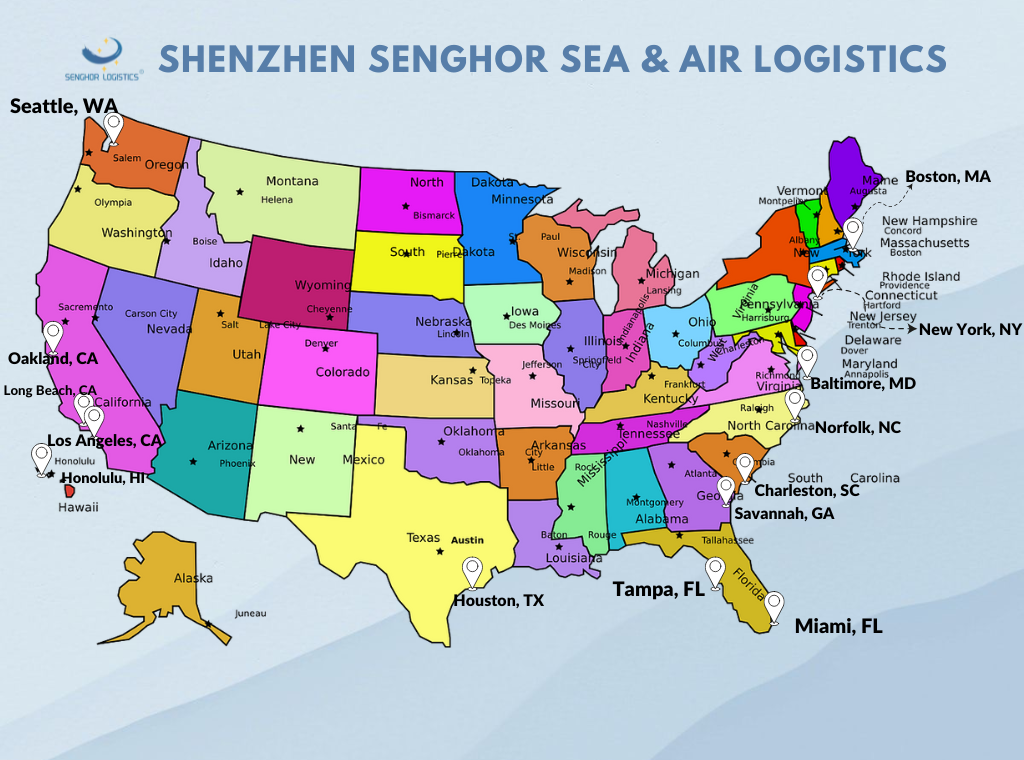
The EAPA allows CBP to investigate allegations of AD/CVD evasion more aggressively. As investigations increase, so do the corresponding 5H exams targeting specific manufacturers or supply chains flagged for potential non-compliance. Ports of entry have been directed to prioritize high-volume, high-risk trade lanes, making trans-Pacific shipments (especially from Asia to the U.S.) the primary focus of 5H enforcement.


Avoid these pitfalls: These types of behavior are most likely to trigger 5H alerts!
Based on industry feedback and customs inspection data, the core trigger for this large-scale 5H detention was underreporting of cargo value. However, besides this, other types of behavior are also highly likely to trigger alerts, and sellers must avoid them:
Underreporting/Concealing the Value of Goods
Some freight forwarders attract goods with low prices, then deliberately lower the declared value and pay less tax during customs clearance, directly triggering system warnings. This is currently the most common reason for "stepping on a landmine." If you find a freight forwarder with a relatively low price, be extra cautious.
Vague Product Descriptions
Using generic terms like "electronics," "accessories," or "daily necessities" instead of specific product descriptions is a major red flag. CBP now requires precise, detailed descriptions including: material composition, specific function, model numbers, technical specifications, etc.
Unqualified or Shell Importer Entities
Shipments using unregistered importers, shell companies with no valid U.S. operations, expired or invalid importer bonds, or incomplete EIN (Employer Identification Number) records face automatic 5H holds.
Lack of Compliance Certifications
Products containing batteries or magnets, children's products, textiles, etc., without FDA, CPSC, or other compliance certifications, and wooden packaging without IPPC fumigation markings will also be subject to focused inspection.
New Importers with No Operational History
First-time importers or newly registered U.S. importers with no prior customs clearance track record face higher inspection rates as CBP verifies their legitimacy.
Further reading:
How to deal with 5H inspection?
1. Ensure document accuracy
Carefully verify all shipping documents to ensure their accuracy and consistency. Ensure invoices, packing lists, and other required documents are complete, accurate, and correctly reflect the contents of the goods.
2. Guarantee importer qualifications
Importers must be reputable, with valid EIN numbers and addresses, and a consistent import history. Avoid fictitious importers and inaccurate consignee information.
3. Partner with an experienced freight forwarder
Partnering with a reputable freight forwarder can provide valuable insights and support, helping you smoothly navigate customs procedures. Experienced professionals can assist you in preparing for inspections and ensuring compliance.
4. Prepare for worst-case scenarios
Purchase cargo insurance and allow for a delivery buffer period to avoid excessively tight inventory cycles.
If your shipment is subject to a 5H inspection, verify the situation immediately and contact your customs broker to determine the specific reason for the 5H detention. If possible, provide supplementary documentation to resolve any discrepancies. If customs clearance is unlikely, initiate the return process immediately to prevent escalating port charges. Simultaneously, monitor and assess daily port storage fees, which could quickly exceed the value of the goods.
How We Support Our Clients
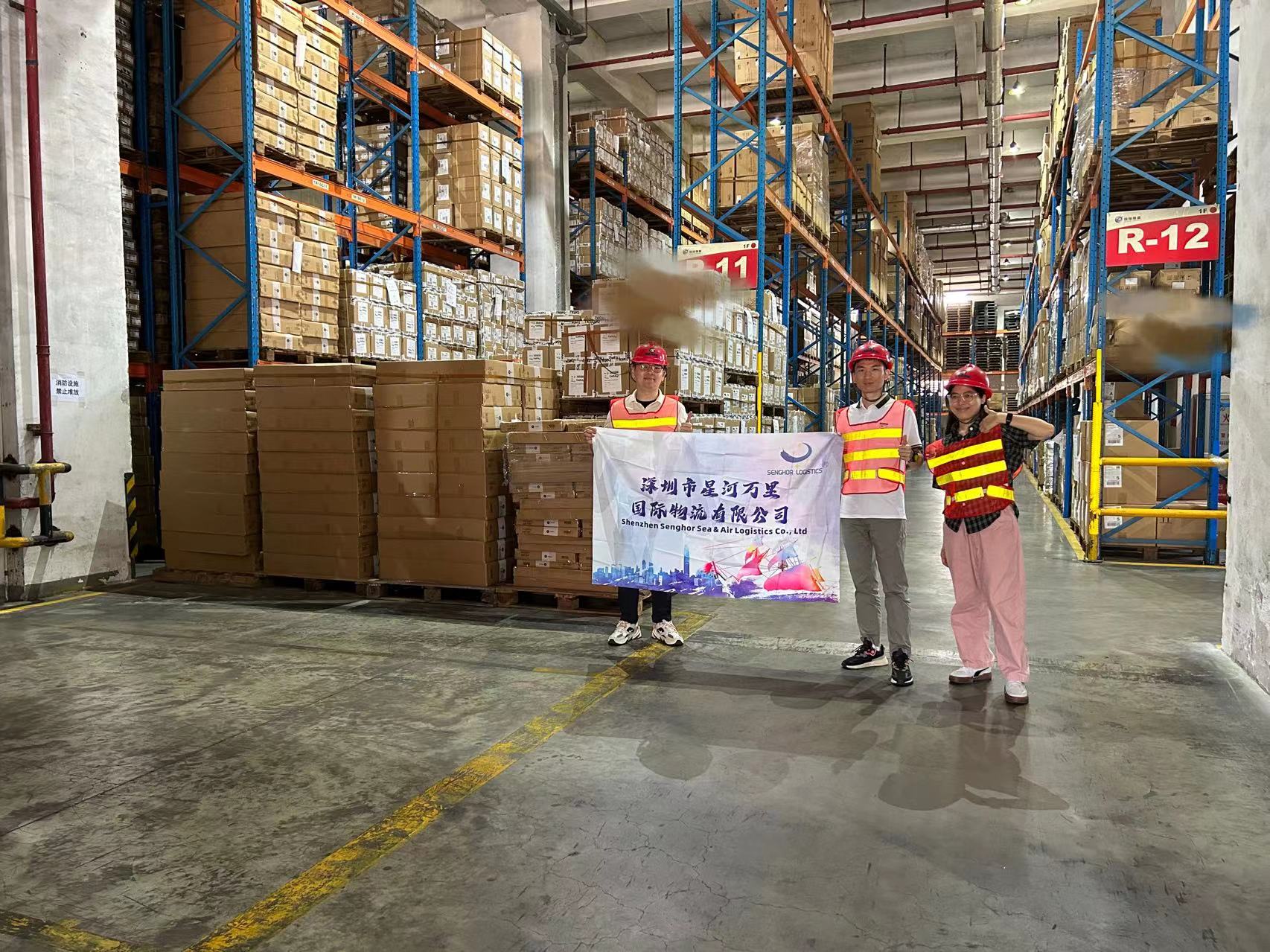
As a freight forwarding company specializing in the China-US trade route, we believe compliance is not a burden, but a competitive advantage. Our measures to address the current surge in 5H inspections include:
Preventative document review:
We review your documents before export to identify and correct potential triggers.
Multi-channel support:
With the current high 5H inspection rate, the key to successful imports is to avoid the "low-price trap" and choose compliant, controllable logistics channels with strong customs clearance capabilities. Compared to the long cycle and high inspection rate of sea freight, US air freight is not only faster but also offers professional customs clearance services, minimizing the risks of 5H inspections.
Senghor Logistics has in-depth research on US import tariff rates and has been deeply involved in Sino-US air freight logistics for over a decade. Now, we operate weekly charter flights to the US, ensuring stable capacity and guaranteed delivery time. From cargo space and customs clearance to last-mile delivery, we maintain complete control over the entire chain, giving you greater peace of mind.
Cargo visibility alerts:
We provide real-time notifications when a shipment is flagged, along with step-by-step guidance on document submission. Gather all original, accurate documentation to resolve flagged discrepancies, as CBP reviews move fast and delays worsen outcomes.

The rise of 5H inspections signals a clear shift: U.S. Customs is moving from random inspection to data-driven enforcement.
For importers, success is no longer about “getting goods shipped,” but about getting goods compliant before shipment. If you can ensure: accurate data, transparent declarations, consistent compliance, and allow sufficient transit time, and allocate a suitable amount of urgent goods to air freight, then even in an environment with high inspection rates, your goods can still be transported smoothly and predictably.
For personalized guidance on how to optimize your US import strategy, please contact Senghor Logistics expert team immediately.
Post time: Mar-24-2026


