


What Are the Shipping Differences Between European Major Ports and Feeder Ports, and How to Ensure the Timeliness of Goods Delivery?
The core differences between European major ports and feeder ports in sea freight lie in route coverage, shipping processes, costs, timeliness, and service support. Ensuring timely delivery of goods requires addressing the pain points of transshipment, customs clearance, and last-mile delivery in feeder ports.
Major and Feeder Ports: Overview
Major Ports:
Major European ports, such as Rotterdam, Antwerp, Hamburg, and Felixstowe, are renowned for their well-developed infrastructure, strong cargo throughput capacity, and advantageous geographical locations. These ports serve as vital gateways for international trade, offering a wide range of services, including:
1. Advanced Facilities: Major ports are equipped with advanced facilities, including large container terminals, specialized cargo handling equipment, and efficient customs clearance systems. This infrastructure accelerates cargo loading and unloading.
2. High Connectivity: Major ports typically have numerous shipping companies and routes, offering importers a wide range of cargo shipping options. This connectivity usually means more frequent shipping schedules and shorter transit times. For example, Rotterdam Port has direct shipping routes to more than 1,000 ports in over 100 countries and regions around the world, and major shipping companies such as Maersk, MSC, and CMA CGM operate regular direct liner services here. This means that importers can shipping goods directly from the port of origin to European basic ports without transshipment, which greatly simplifies the shipping process and shortens the shipping time.
3. Economies of scale: Due to their large size and high volume of business, large ports can offer competitive ocean freight rates. High cargo throughput allows shipping companies to optimize operations, thereby passing on cost savings to importers.
4. Comprehensive Services: Large ports typically offer a full range of logistics services, including warehousing, customs clearance, and inland transportation. This one-stop service simplifies the shipping process for importers.


Feeder Ports:
Feeder ports in Europe refer to ports other than major ports, such as Bremen (Germany), Valencia (Spain), Genoa (Italy), and Gdynia (Poland). Their key difference lies in the shipping process, which requires a "direct route to the major port + transshipment" connection. Goods first arrive at the major port via a direct route, then are transferred to feeder ships, rail, or trucks to reach the feeder port. Some remote secondary ports (such as those in Northern and Eastern Europe) may require multiple transshipments.
This results in fewer route options for these ports, relying more on shipping companies' feeder networks or freight forwarders' LCL transshipment services. The availability of space is unstable, and during peak seasons, situations may arise where "direct transshipment space cannot be booked." In addition, the port facilities in remote ports are relatively weak. Some small and medium-sized remote ports have shallow drafts and cannot accommodate large container ships, resulting in low loading and unloading efficiency and limited customs clearance capacity. Customs policies in some countries (such as parts of Eastern and Southern Europe) change frequently, and the inspection rate is higher than that of the main ports (the inspection rate of remote ports is about 15%-20%, while that of main ports is about 5%-10%). The last-mile delivery network is also not as dense as that of the main ports, which can easily lead to the problem of "delay in inland transportation after picking up goods at the port".
However, they also possess their own unique advantages:
1. Niche Markets: Feeder ports typically serve specific industries or types of goods, making them ideal for importers with unique shipping needs. For example, a feeder port might focus on agricultural products or regional commodities.
2. Less Congestion: Due to lower cargo volumes, feeder ports may experience less congestion than major ports. This can speed up loading and unloading turnaround times, but may lead to longer transit times for goods to reach their final destination.
3. Local Expertise: Feeder ports may have a deeper understanding of regional logistics and customs regulations, which can be beneficial for importers looking to expand into local markets.
4. Cost Considerations: While feeder ports may not offer the same economies of scale as major ports, they can sometimes provide competitive pricing for specific routes or cargo types, especially for regional transport.

Key Sea Freight Differences: A Comparative Analysis
| Aspect | Major Ports | Feeder Ports |
| Ocean Freight Cost | Generally lower due to intense carrier competition and volume. | Higher. Includes THC (Terminal Handling Charges) at both major and feeder port, plus Feeder Cost. |
| Transit Time (Sea Leg) | Shorter for direct routes (e.g., Shanghai to Rotterdam). Predictable. | Longer overall. Sea time includes main voyage + feeder leg + potential waiting time for feeder connection. |
| Service Frequency | Very high (multiple sailings weekly per trade lane). | Lower, dependent on feeder schedules which may be weekly or bi-weekly. |
| Routing & Complexity | Direct, simpler. | Multi-leg: Main Vessel -> Transshipment at Base Port -> Feeder Vessel -> Final Port. More handling points. |
| Risk of Disruption | Lower direct transit risk, but congestion can have massive ripple effects (e.g., port strikes). | Higher risk of delays due to missed feeder connections, weather impacting feeder operations, or congestion at the transshipment hub. |
| Inland Connectivity | Excellent multi-modal links (rail, road, barge) across Europe. | Good for local region; long-distance inland haulage may be longer/more expensive. |
| Ideal For | High-volume shipments, time-sensitive goods, and cargo with flexible final destination in Europe. | Cargo with a final destination close to the feeder port, reducing domestic trucking costs and |
Guaranteeing Cargo Delivery Time: Targeted Solutions for Different Scenarios
Whether using a major port or a feeder port, the core of ensuring delivery time is "optimizing shipping processes, mitigating key risks, and planning connections in advance." Specifically, this can be achieved through the following methods:
1. Guaranteeing Delivery Time at Main Ports: Focusing on "Space Lock-in + Accelerated Customs Clearance"
The main fluctuations in delivery time at major ports stem from peak season congestion and customs clearance delays. The following methods can be used to stabilize delivery time:
Pre-booking to Lock in Resources: For popular major ports (such as Rotterdam and Hamburg), during peak season (April-May and September-November each year), booking should be made at least 14 days in advance. Prioritize direct express lines from shipping companies. These routes have an on-time rate exceeding 90% and are 2-3 days faster than ordinary direct routes.
Optimizing Customs Clearance Documents and Methods: Verify HS codes from European customs in advance. Ensuring accurate coding and classification, accurate commercial invoices, packing lists, and other documentation to prevent discrepancies (inconsistencies in customs clearance documents at the major port account for up to 40% of delays); if cargo volume is stable, applying for AEO certification from European customs can provide priority inspection, simplified declaration, and other benefits, reducing clearance time from 3-5 days to 1-2 days;
Enhancing efficient last-mile delivery: After picking up goods at the major port, prioritize rail or truck delivery – for example, the rail line from Rotterdam to Munich, Germany, takes only 1-2 days, one day faster and at a lower cost than regular road transport.
Experienced freight forwarders will assist you with the best solutions for booking, customs clearance, and delivery, optimizing your shipping schedule.
2. Guaranteeing Delivery Time at Feeder Ports: Focusing on "Transfer Connections + Risk Prediction"
The core pain points of feeder ports delivery time are transfer delays and inefficient last-mile delivery. This needs to be addressed from three aspects: "logistics solution selection, transfer connections, and risk mitigation":
Selecting High-Quality Transfer Solutions: Prioritize combinations of "direct shipping from the major port + direct feeder vessels" to avoid multiple transfers (each additional transfer increases delivery time by 3-5 days). For example, for shipments to Valencia, Spain, consider a direct route to Hamburg first, followed by a transfer to a Mediterranean feeder vessel. This method is 2-3 days faster and more stable than "direct shipping to Rotterdam + truck transshipment."
Confirming Transfer Resources in Advance: When booking, request freight forwarders to provide a clear transfer plan, ensuring 3-5 days of buffer time is allowed for transfer connections. Choose freight forwarders with cooperative yards at the main port enables "fast container pickup and transfer to feeder vessels after direct vessel arrival," reducing transshipment waiting time.
Mitigating customs clearance and last-mile delivery risks: cooperating with professional freight forwarders, especially those familiar with the customs policies of the countries where the ports are located (e.g., some Eastern European countries have stricter inspection requirements for electronic products and textiles), prepare supplementary documents (e.g., certificates of origin, product testing reports); freight forwarders will plan last-mile delivery, prioritizing reputable local logistics companies, such as Polish Post or DPD express lines for goods destined for Gdynia, Poland, offering coverage throughout Poland and stable delivery times (1-3 days); if goods need to be transported to inland cities near the port, "port pickup + inland rail transport" can be chosen, which is less prone to congestion than full road transport (roads near some European ports are prone to congestion during peak season).
3. General Timeliness Guarantee: Applicable to both major ports and feeder ports
Splitting Shipments to Balance Risk: For large volumes of cargo with stringent time requirements, allocate 70% of shipments to direct express routes (major ports) or premium transshipment options (feeder ports), and 30% to conventional routes as a backup. This prevents overall cargo disruptions due to delays on a single route.
Real-Time Cargo Tracking: Utilize shipping companies' cargo tracking websites to monitor cargo status in real time. If delays in direct shipping or transshipment issues arise, communicate with the freight forwarder in advance. Typically, Senghor Logistics’ customer service personnel will track shipping schedules and cargo status for clients and provide timely feedback.
Avoiding High-Risk Periods: Some feeder ports in Europe (such as those around the Mediterranean and Black Seas) may experience feeder vessel cancellations due to severe weather during winter (December to February). Plan your shipment time in advance, allowing a 10 to 15 days buffer period. During peak seasons at major ports (such as the Christmas stocking season), avoid periods of high port strike activity (European port strikes are mostly concentrated in September-October). Generally, Senghor Logistics will monitor port and strike information and inform clients in advance of potential delays and advise clients to ship early.

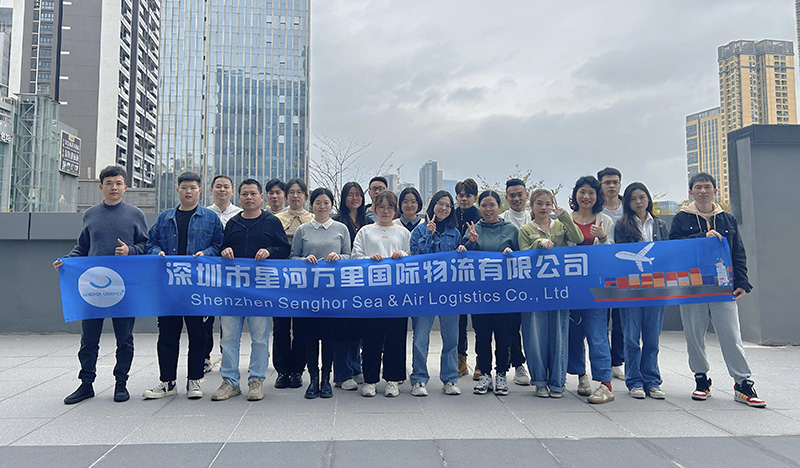
Senghor Logistics has 13 years of international logistics experience, specializing in international shipping and door-to-door services in Europe and America. We cooperate with shipping companies, securing first-hand freight rates and providing customized solutions to ensure a smooth import shipping process for our clients. We are also a WCA member and have worked with local agents for many years, enabling efficient communication and problem-solving for our clients. Inquiries are welcome.
Post time: Dec-25-2025


