



With the Red Sea bypass becoming the norm, how should we address the restructuring of shipping time and costs on European routes
For months, the logistics industry has been on edge. We watched helplessly as ships lined up at the southern tip of Africa, and Suez Canal passage was restricted. Many called the Red Sea crisis a "temporary disruption." But as time goes on, a sobering reality emerges: the Cape of Good Hope route is no longer an emergency detour, but a new normal.
Timeline Reconstruction: Embracing the New Reality
Traditionally, cargo from Asia to Europe relies heavily on the Suez Canal route.
Typical route:
China → Southeast Asia → Indian Ocean → Red Sea → Suez Canal → Mediterranean → Europe
This is the fastest and most economical corridor for Asia-Europe trade.
However, ongoing geopolitical and security risks in the Red Sea region have caused many major carriers to suspend or limit transits through the area.
Instead, vessels are increasingly taking the alternative route:
China → Indian Ocean → Cape of Good Hope → Atlantic Ocean → Europe
While operationally safer, this route is substantially longer.
So, how much longer are shipping times?
Original Timeline: China to European ports (e.g., Rotterdam, Hamburg): 30 to 35 days.
Post-Bypass Timeline: 40 to 49 days (+10 to 14 days).
Peak Season Impact: Q4 and winter storms may add 5 to 8 days, stretching total timelines to 53 days.
Mediterranean Routes: 28 to 32 days → 38 to 44 days (+10 to 12 days).

The Hidden Cost Impact: It’s More Than Just Higher Freight Rates
Many importers initially focus only on freight increases.
In reality, Red Sea diversions affect logistics costs across multiple layers.
1. Sea freight rates increase
Longer routes mean: higher fuel consumption, longer vessel deployment cycles, reduced equipment availability, and tighter shipping capacity.
These factors often drive: base freight increases, peak season surcharges (For example, Maersk announced an increase in peak season surcharges from the Far East to Latin America starting May 23, and other shipping companies such as MSC and CMA CGM also raised freight rates on Asia-Europe/East Africa routes.), security-related fees.
For example, freight rates for 40-foot high cube containers (40HQ) have surged from $1200-1500 to $2200-2500 (an increase of over 50%).
2. Inventory carrying costs rise
Longer shipping time means inventory stays in transit longer. That affects: cash flow, warehouse replenishment cycles, working capital efficiency, stock availability, etc.
For retailers and distributors, delayed replenishment can create: stockouts, lost sales opportunities, expedited emergency purchasing.

Response Extended Shipping Time
Strengthen planning and forecasting:
With extended shipping times, timeliness estimation and demand forecasting become particularly important. Importers can conservatively estimate based on 50 days (45 days + 5-day buffer) to avoid stockouts. You can also analyze historical data and market trends to predict demand fluctuations and adjust order quantities accordingly.
Buffer inventory:
Maintaining buffer inventory helps mitigate the risks associated with extended transit times. By keeping safety stock, importers can ensure they have sufficient stock to meet customer demand while awaiting shipments.
Modal & route diversification:
You cannot rely on a single string. The sea freight shipping is now the standard, but you can mix solutions:
Split shipping strategy: For high-value or seasonal goods (e.g., fashion apparel, electronics), orders can be split. 70% of the goods can be transported via low-cost sea freight (detour the Cape of Good Hope), and 30% via air freight or the China-Europe Railway Express. Mixed shipping is generally less expensive than pure air freight but saves time compared to pure sea freight.
Coping with Rising Costs
Reserve budget flexibility:
For freight shipments from China to Europe, we recommend allocating a budget for 30% to 50% of the cost increase.
Lock stable space & cost budget in advance:
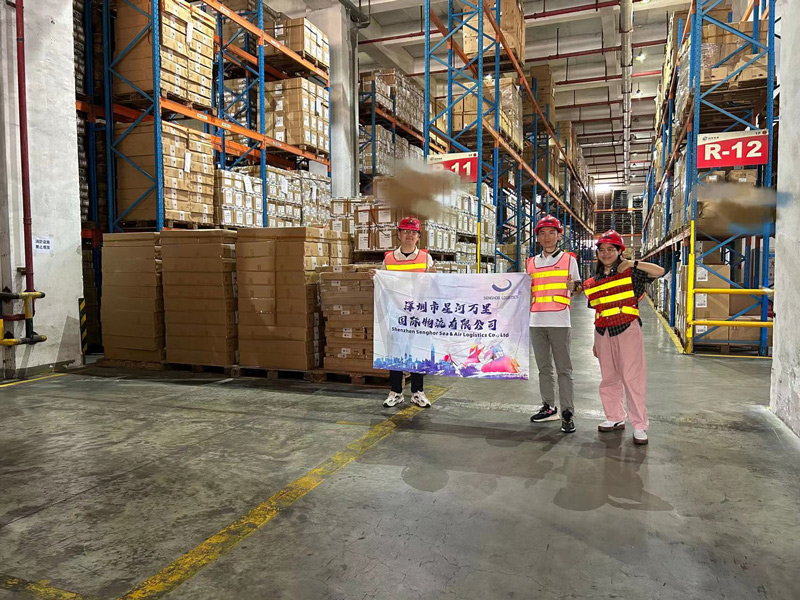
Faced with tight capacity and price fluctuations, last-minute bookings often result in high costs and unavailability of space. Senghor Logistics support long-term services for regular importers, leveraging our extensive space resources and deep partnerships with airlines and shipping companies to secure peak season priority bookings and help clients plan their shipping strategies in advance. Effectively avoid seasonal price increases and capacity shortages, enabling more accurate logistics cost budgeting.
Surcharge verification:
Importers should clearly verify whether the quoted price includes detour fees, fuel surcharges, and THC to avoid destination port surcharges. Senghor Logistics' quotes will clearly state the included items, and will inform clients of the possible costs, helping them to better budget and reduce losses.

For European importers, the core of supply chain competition in the future lies in adapting to new time and cost rules, optimizing planning in advance, and locking stable logistics resources.
If you are troubled by unstable European route shipping time, rising logistics costs and uncertain delivery schedules, feel free to contact our team. We will customize exclusive European route logistics optimization solutions based on your cargo characteristics, order cycle and budget, helping you stabilize supply chains and reduce comprehensive logistics costs in the new industry landscape.
Post time: May-26-2026


