


Cargo Pickup Process Guide: Instructions for Consignees Upon Arrival of Sea Freight Goods
When your sea freight shipment arrives at the destination port, smooth and timely pickup is essential to avoid delays, demurrage, and additional costs. For consignees, understanding the correct pickup procedures helps ensure cargo is released efficiently and delivered safely to the final destination. As a professional freight forwarding company, Senghor Logistics will guide our customers through every step of this process. Below is a clear overview of how consignees should handle cargo pickup after arrival.
1. Core Preparations Before Cargo Pickup: Arrival Notice and Document Verification
Receiving the Arrival Notice: Within 1-2 business days of the goods arriving at the port, the shipping company or destination port agent will send a arrival notice, including the vessel name, voyage number, bill of lading number, arrival date, yard location, and switch bill time. The consignee must immediately verify the consistency between the notice, bill of lading, and invoice, confirming that the container number, seal number, number of pieces/weight, etc., are accurate, and prepare all necessary documents for switch bill and customs clearance.
Preparing a Complete Set of Documents: Core documents include the original bill of lading (or telex release guarantee + telex release number), commercial invoice, packing list, customs declaration, certificate of origin, import license (for controlled goods), and inspection and clearance certificate (if required), ensuring consistency of documents complies with each other to avoid delays in switch bill and customs clearance.
2. Prepare and Submit Required Clearance Documents
To secure the release of your cargo from customs and the shipping line, you must submit several key documents to the relevant authorities and our team. Essential documents usually include:
Original Bill of Lading (B/L): The switch bill procedure needs to be completed here. You must surrender the original, duly endorsed B/L to the shipping line or its agent, pay the destination port fees such as the document exchange fee and terminal handling charge (THC) to obtain the delivery order (D/O), which is the core authorization document for subsequent container/cargo pickup, then must carefully verify the exchanged information.
Commercial Invoice: Details the value and description of the goods for customs valuation.
Packing List: Specifies the weight, dimensions, and contents of each package.
Certificate of Origin: May be required for duty assessment under trade agreements.
Import Declaration/Duty Payment Proof: Prepared by you or your customs broker, demonstrating that all applicable duties and taxes have been paid or accounted for.
Any Special Certificates: (e.g., phytosanitary, fumigation, insurance) if applicable.
Your Company’s Registration Documents: As required by local customs.
Power of Attorney (POA): If the consignee entrusts a freight forwarder or customs broker to handle the procedures, a signed power of attorney must be provided to authorize the agent to act on its behalf.

3. Complete Customs Clearance & Pay Charges
You or your appointed customs broker will submit the above documents to the local customs authority. Key steps involve:
Duty/Tax Assessment: Customs will calculate payable import duties, VAT, and other taxes.
Document Verification & Possible Inspection: Customs may inspect your shipment to verify contents against documents.
Payment of Government Charges: All assessed duties and taxes must be paid.
Release Order: Once satisfied, customs will issue a release notice.
Further reading:
4. Pick Up Cargoes
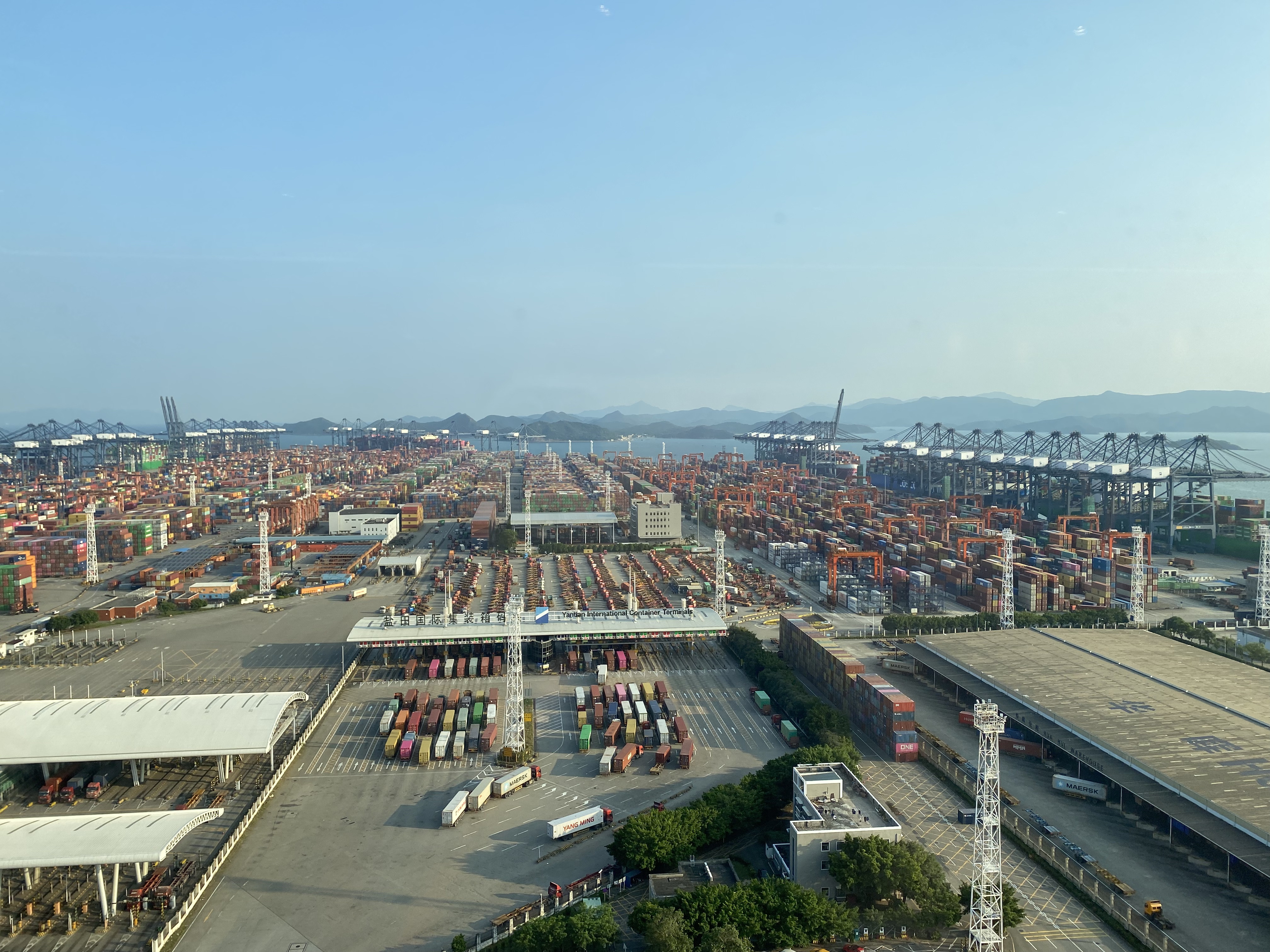
Detailed Steps for Full Container Load (FCL) Pickup
(1) Container Pickup Appointment and Vehicle Arrangement
After customs clearance, schedule a pickup time with the terminal/yard one day in advance (some ports support online appointments). Confirm the vehicle specifications (e.g., a 40-foot container requires a 17.5-meter truck) and prepare the trucking company's qualification documents, driver's ID/driver's license, etc.
(2) On-site Container Pickup Operation
Submit Documents and Pay Fees: The driver takes the D/O, customs release order, Equipment Interchange Receipt (EIR), and driver's documents to the terminal gate/container management department. After document verification, pay storage fees, pickup fees, etc., and receive a pickup slip or appointment slip.
Container Inspection and Verification:
Information Verification: Confirm that the container number, seal number, and container type (20GP/40HQ) match the D/O to avoid picking up the wrong container.
Container Inspection: Inspect the container for damage, dents, and cracks; check the seals for integrity and security. If any problems are found, immediately note them on the EIR and request a replacement. The yard must sign off on this to avoid future disputes regarding cargo damage.
Container Retrieval: The yard will arrange a crane to load the container onto the trailer. After the driver confirms it is securely fastened, they will sign off on the EIR. The gate will verify the container number and vehicle information before releasing the container, completing the retrieval process.
(3) Subsequent Container Return and Fee Settlement
After unloading, return the empty container to the designated yard within the free period stipulated by the shipping company (usually 3-7 days) to avoid demurrage fees.
Upon return of the container, the yard inspects its condition. If there is no damage, the deposit is settled, and all fees are paid. If the container is damaged, compensation must be made according to regulations.
Detailed Steps for LCL (Less than Container Load) Cargo Pickup
(1) Changing the Distribution Delivery Order
LCL cargo is first unpacked by the freight forwarder and stored in the LCL warehouse. The consignee presents the D/O and House Bill of Lading (House B/L) at the LCL agent to exchange for a distribution delivery order, confirming the warehouse address and pickup time (usually 9:00-17:00).
(2) On-site Pickup Procedure
Submit the distribution delivery order, release slip, and identification at the warehouse, pay storage fees and unpacking fees, and receive the pickup voucher and unpacking list.
(3) Verifying Cargo Information
After unpacking, verify the quantity, name, and packaging of each item to ensure there are no shortages or damages.
(4) Signing and Handover
After confirming that the goods are correct, sign the delivery note and arrange for a vehicle to complete the final transportation.

5. Important Notes for Cargo Pick-Up
Timeliness is Key: Please process the pick-up procedures as soon as possible after receiving the Arrival Notice. Overdue pick-up will not only incur high storage fees but also may lead to the goods being detained by the port.
Confirm Document Accuracy: Before submitting the documents to the customs, double-check the accuracy of all documents to avoid delays caused by document errors.
Entrust Professionals if Necessary: If you are not familiar with the local pick-up procedures, customs regulations, or do not have professional personnel to handle them, it is strongly recommended to entrust a professional freight forwarding company (like us) to provide one-stop services from customs clearance to cargo delivery. This can save you time and energy and avoid potential risks.
6. How Our Freight Forwarding Team Supports You
As a professional freight forwarding company, Senghor Logistics provides full destination support, including:
Pre-arrival notifications and document review
Customs brokerage coordination
Trucking and final delivery
DDP and door-to-door solutions
Our goal is to make cargo pickup simple, compliant, and cost-efficient for every consignee. After you receive your cargo, please share your experience working with Senghor Logistics. This feedback helps improve future freight services and resolve any issues you may encounter.
The cargo pickup process after sea freight arrives at the port may seem complicated, but with proper preparation and a thorough understanding of the procedures, it can be easily completed. If you have any questions or need assistance with sea freight logistics, please feel free to contact us. We will provide full support throughout the process!
Post time: Jan-27-2026


